How to Grow Leeks – A Guide to Growing Leeks
 Leeks
Leeks
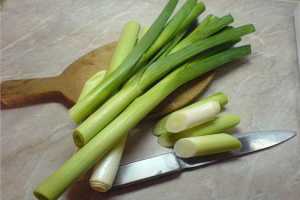
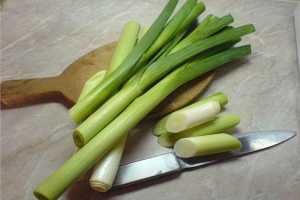
Leeks are very hardy member of the onion family and are grown to gigantic sizes for showing, particularly in the North East of England. But smaller plants are tastier and more tender for cooking Leeks are less demanding to grow than onions but they need very careful transplanting and earthing up to produce long well blanched plants.
Varieties of Leek
There are early, mid-season and late varieties. Early varieties mature from September to November, Mid-Season varieties from December to February and Late varieties from February to April. Sow seeds from each group to extend the cropping season. You can also grow them in large containers or pots and in raised beds .
Early Leeks
- King Richard is a very early cropping variety. It can be lifted by July from early sowings, and will stand until Christmas from a late sowings but is less hardy than some other varieties. It can be grown close together for delicious, succulent mini leeks. Awarded the RHS Award Of Garden Merit (AGM).
- Pancho is early maturing, but will stand until mid-winter and is suitable for close spacing. It has an excellent flavour which is ideal for salads or conventional cooking. Awarded the RHS Award Of Garden Merit (AGM).
- Carlton gives rapid growth and an extra early crop. It has long, tight, straight stems which require less cleaning and is of excellent flavour. And is good for close spacing . Awarded the RHS Award Of Garden Merit (AGM).
Mid-season Leeks
- Mussselborough is a well-known , reliable , mid-season variety, having an excellent flavour and tender texture when cooked. It is exceptionally hardy and stands well in even the coldest winter weather. It is a popular choice in cold areas.
- Oarsman is a superb midseason variety. It has good early vigour, bulking up quickly, with no sign of bulbing. It has good tolerance to rust and bolting and stands well over a long period. Awarded the RHS Award Of Garden Merit (AGM): Thompson & Morgan.
- Porbella is an outstanding variety. It has good resistance to rust and excellent winter hardiness. Harvesting from October to February.
- Edison is a fairly disease resistant variety with uniform size and good texture that can be harvested young as a ‘baby’ vegetable, or when mature in autumn or winter.
Late Leeks
- Below-Zero’ F1 Hybrid wasbred in the UK. This leek combines the vigour of an F1 Hybrid with extreme cold tolerance. It produces leeks that can withstand the hardest of winter weather. It is rust resistant and stands well over a long period without bolting. It can be lifted from Christmas until May.
- Blauwgroene Winter – Bandit is an outstanding variety with excellent winter hardiness for harvesting from winter through to spring. It has good tolerance to rust and bolting. Awarded the RHS Award Of Garden Merit (AGM): Thompson & Morgan.
Pests and Problems with Leeks
Leeks are generally trouble free, but may suffer from rust – a fungal disease causing orange spots on the leaves and Smut caused black blotches. Affected plants should be lifted and burnt. Leek Moth may be a problem in southern England and is gradually spreading north. The caterpillars feed within the foliage and stems or bulbs of leeks, onions and related vegetables.
Sowing and Growing Leeks
Leeks are less demanding to grow than onions. They like soil which is rich in humus and nutrients but may rot in waterlogged ground . The white stems of leeks , which are required for cooking , are created by blanching (excluding the light) as they grow. Plants are, therefore, planted in holes in the soil .
Leeks can be sown from March–April outdoors in drills in a seedbed or as early as January under glass in pots, modules or root trainers. Sow thinly and thin to the strongest ones to grow on for transplanting.
Leeks can be planted out during June or July when they are about 4 inches (10 cm) high and about the thickness of a pencil. Using a dibber, or an better still an old spade or broom handle with a square or wedge shaped end, make planting holes 6 inches (15 cm) deep, 6–8 inches (15–20 cm) apart in each direction . Drop a leek plant into each hole – some gardeners recommend trimming the roots so that they drop into the holes easily but others say just to twist the plant gently as you drop it into the hole – the choice is yours.
Do not add soil to the hole but fill it with water to settle the plant in, the leeks will fill the hole as they grow.
If you want to increase the blanched length of the leek, gently earth up around them but avoid soil getting between the leaves. A collar made from a toilet roll or kitchen roll inner cut lengthways or a piece of newspaper can be fitted around them and held in place with a piece of string or a rubber band before earthing up .
Harvesting, Eating and Storing Leeks
When you want to harvest leeks pull or dig up alternate ones from the row. Leave the rest to grow on for a later harvest . Leeks can be used instead of onions in many recipes. They can be frozen for use later in stews and soups. Surplus seedlings and thinnings are good in stir fries.
To keep leeks available fresh at the end of the season, dig or pull up the remaining crop. Draw a trench about 10cm deep and lay the leeks with their roots in the trench at a 45 degree angle. Cover the roots with loose soil.
Further Information on Leeks
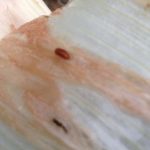
Allium Leaf Miner